
Planning a trip to Patagonia requires more than just enthusiasm; it demands technical precision. How to connect El Calafate with Torres del Paine without getting bogged down in red tape or unnecessary waits at bus terminals. Here we reveal the step-by-step guide to the perfect trip.
Logistics Summary: The Patagonia Triangle
Recommended total time: 10 to 12 days itinerary through Argentine and Chilean Patagonia.
Best time to travel to Patagonia: From October to April (stable weather and trails open).
Key Connection: El Calafate functions as an ideal logistics center.
Border crossing: Paso Cancha Carrera in Argentina / Cerro Castillo in Chile. Estimated time: 4-6 hours depending on the season.
Unmissable Patagonia Tours: Perito Moreno Glacier, Mount Fitz Roy, Torres del Paine.
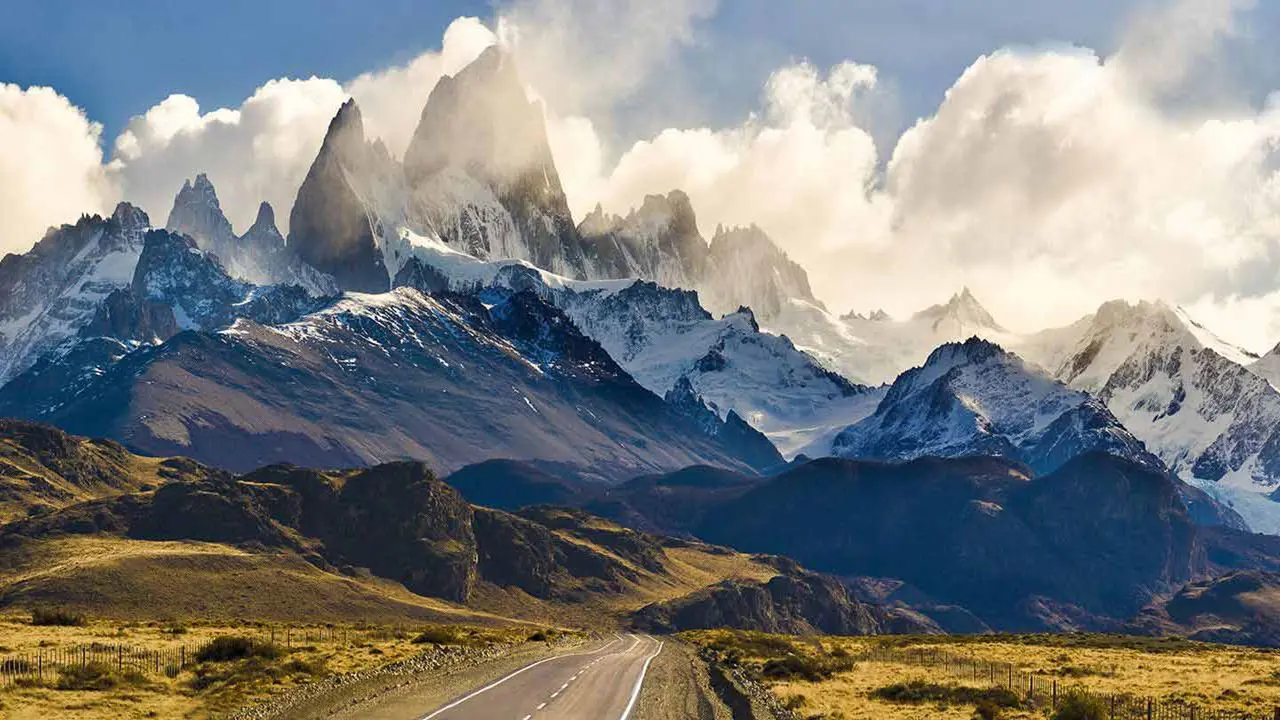
How to connect Calafate, Chaltén and Torres del Paine in Patagonia?
The first step is understanding how to connect the three major destinations for adventurers seeking quality trekking. To do this, your trip structure should be flexible yet solid in its connections.
How to get from El Calafate to El Chaltén
Route 40 connects these two points over a distance of approximately 215 km. If you're looking to optimize your itinerary in Patagonia , we recommend taking the first bus of the morning. The journey takes 3 hours and allows you to do some short hikes on the same day you arrive.
Travel tip: Secure your El Calafate - El Chaltén transfer by regular bus in Patagonia.
How to get from El Calafate to Torres del Paine
To connect El Calafate with Torres del Paine , the most efficient route is to take Route 40 south. Although the map suggests a straight line, the actual logistics depend on whether you're traveling on an organized tour, by public bus, or in a private car.
1. The Route by Rental Car or Buses from El Calafate
Via National Route 40 (gravel road): This is the shortest route in terms of distance. However, it includes approximately 60 km of gravel road. Windows or tires may be damaged if you are not driving carefully.
Via National Route 5 and National Route 7 (paved road): Although this adds about 80 km, passing through Estancia Tapi Aike, the route is 100% paved all the way to the border. This is the preferred option for standard rental vehicles.
Buses: This is the most common option for budget travelers. Some companies offer direct service during peak season (October to March), but these are less frequent. The approximate journey time is 5 to 6 hours to Puerto Natales , plus 2 hours to Torres del Paine National Park .
2. Full Day Excursions to Torres del Paine from El Calafate
These excursions are designed to handle the logistics of the border crossing. You'll have more time to enjoy the Patagonian landscapes and the Andes Mountains.
Torres del Paine excursion from El Calafate : The classic option for those seeking a balanced and comfortable itinerary. Visit Laguna Amarga, Lake Nordenskjöld, and Salto Grande waterfall. Includes bus transportation and a guide.
Torres del Paine 4x4 Adventure (Overland) : An immersive experience that reaches areas inaccessible to buses. Ideal for adventure-seeking travelers and small groups. This tour takes place in 4x4 overland trucks equipped for challenging gravel roads. A boxed lunch is included to maximize your time at the viewpoints.
Expert tip: End your tour at Laguna Amarga, Pehoe, Explora, or Pudeto. You can also go directly to Puerto Natales . Choose the option that suits you best!
What is the Argentina-Chile border crossing like?
This is the main point of the trip. Upon arriving at the Argentine customs checkpoint in Cancha Carrera , you must complete the exit formalities before traveling 7 km to Cerro Castillo (Chile). Bring your passport and/or visa, and make sure you have all the necessary immigration documents to enter Chile .
Chilean phytosanitary control (SAG) is extremely strict. It is forbidden to bring in fruits, vegetables, honey, or raw meat. Avoid hefty fines by always declaring any processed food you are carrying. The crossing time varies depending on whether you travel independently (4 to 6 hours) or with a tour group (1 to 2 hours).
10-day itinerary in Argentine and Chilean Patagonia
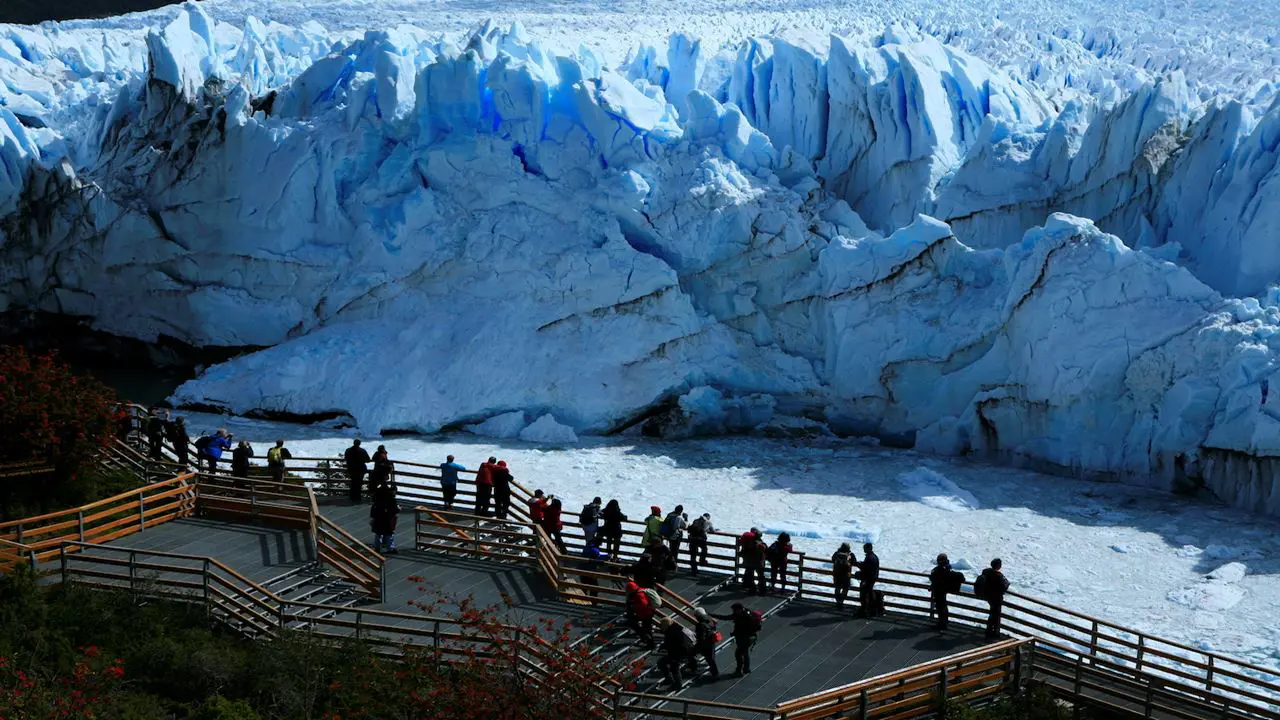
Days 1-3: El Calafate and the Perito Moreno Glacier
Your adventure begins in El Calafate, the logistical hub of Patagonia. During these days, the focus is on Los Glaciares National Park. To maximize your experience, we've listed the most important and logistically efficient excursions in El Calafate :
Day 1 Tour to the Perito Moreno Glacier
It's the starting point for every itinerary, traversing the walkways in front of the 60-meter-high ice wall. If you're looking for an extra dose of adrenaline, we recommend the Perito Moreno Mini Trekking , where you'll walk on the ancient ice with crampons.
Day 2 All Glaciers Navigation
The perfect way to see the Upsala and Spegazzini glaciers (the tallest in the park). This boat trip is crucial because it takes you to areas inaccessible by land, crossing fields of blue icebergs.
Day 3 Native Experience: Lakes and Caves Tour in Calafate
An anthropological and scenic tour along the shores of Lake Argentino. A 4x4 expedition through lakes and caves, following paths laid out by the first settlers of El Calafate. End your adventure with a unique and delicious local meal in the heart of an ancient cave.
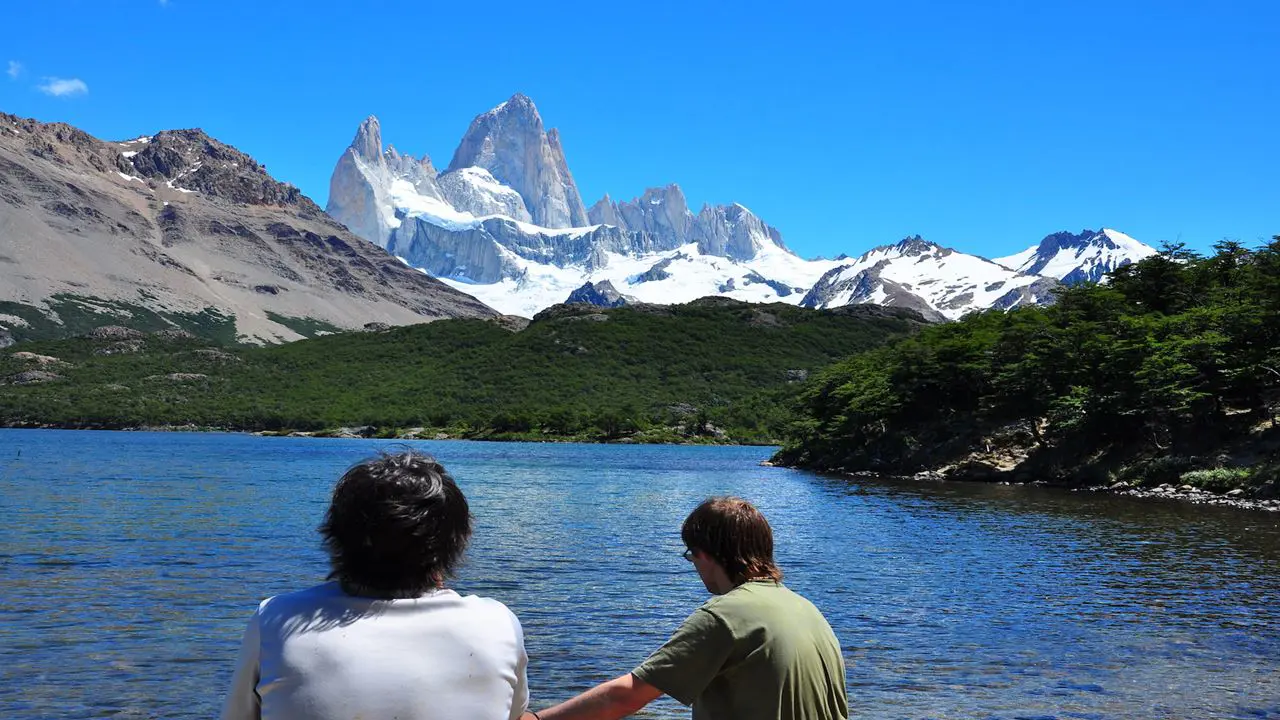
Days 4-6: El Chaltén, the national National Trekking Capital
After a 3-hour drive along the legendary Route 40, you'll arrive in El Chaltén. Here, the trails begin right on the edge of town, giving you complete freedom to explore.
Option A: The Fitz Roy Challenge (For experienced hikers)
Day 4: Morning transfer from El Calafate and trek to Laguna de los Tres . This is Patagonia's iconic hike: 24 km (round trip). It leaves you facing the vertical face of Mount Fitz Roy.
Day 5: Morning of recovery. In the afternoon, you can visit the Chorrillo del Salto waterfall before returning to Calafate .
Option B: El Chaltén in one day (Simplified Logistics)
If you prefer easy hikes, the best option is to choose day tours in El Chaltén . They guarantee transportation and a guide at the key points.
Day 4: Full Day Excursion to El Chaltén with Condor Viewpoint . Includes a short and easy hike to a viewpoint and a visit to the Salto del Chorrillo waterfall.
Day 5: Return to El Calafate to prepare for the connection to Chilean Patagonia.
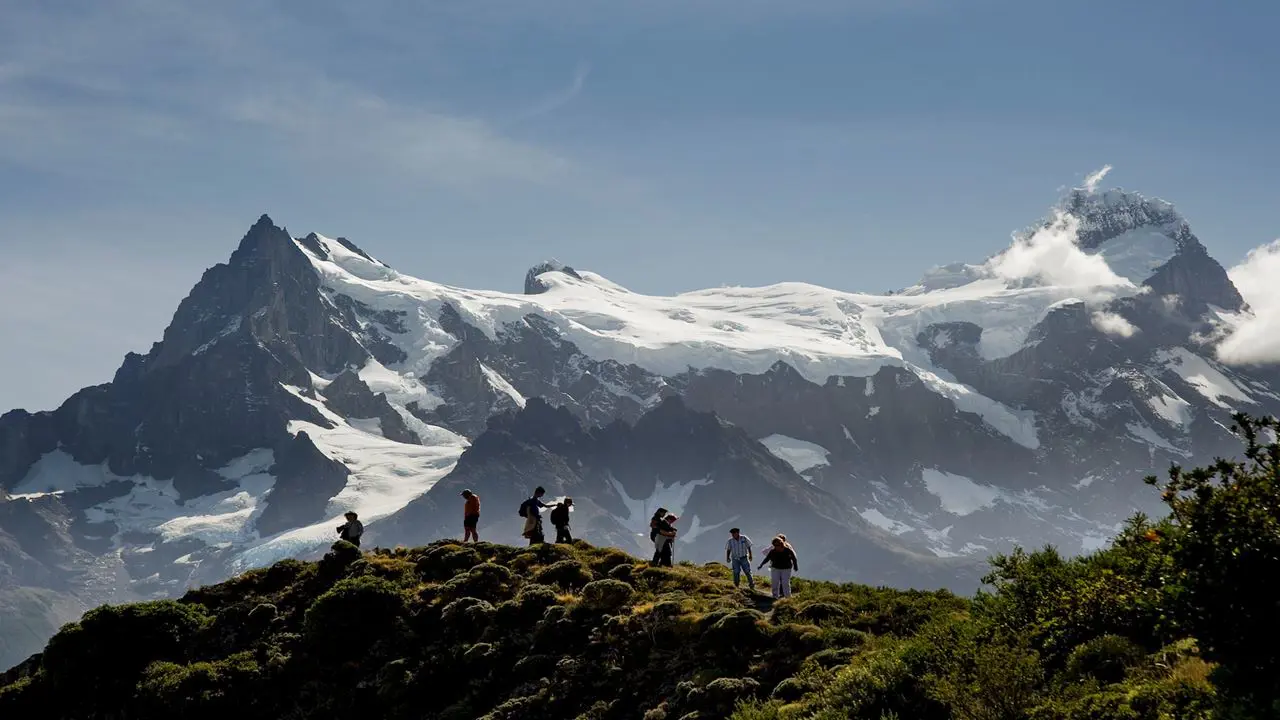
Days 7-10: Torres del Paine and Chilean Patagonia
The final leg of our Patagonia adventure crosses the border into Chile. This segment is designed for those who want to combine a visit to the park with their South American trip.
Day 7: Day tour to Torres del Paine
This tour allows you to see iconic landmarks along the way. Instead of returning to Argentina, you can stay in Chilean Patagonia. Choose your stop according to your accommodation or trekking plan:
Laguna Amarga: Ideal for starting the trek to Base Las Torres.
Pudeto: To take the catamaran to Refugio Paine Grande (Circuit W).
Pehoé Sector / Explore: For those seeking high-end hotels.
Puerto Natales: The main urban center to continue towards Punta Arenas or the Lake Crossing.
Days 8-10: Explore Chilean Patagonia at your own pace
If you got off at Laguna Amarga: Climb to the Mirador Base Las Torres, the most important visual landmark in the park.
If you followed Puerto Natales: Sail to the Balmaceda and Serrano glaciers . A jewel of Chilean Patagonia.
Border Security Note: If you choose to stay in Chile, please inform your guide at the start of the tour. This will ensure your luggage is processed correctly at the Cerro Castillo customs checkpoint. Remember that you will not be able to return to Argentina to retrieve your belongings once the tour bus begins its return to El Calafate.
The true Patagonia experience is best enjoyed with impeccable logistics, allowing you to experience one of the most unforgettable trips of your life. Transfers, excursions, and border crossings are all part of the secret to good advance planning for exploring El Calafate, El Chaltén, and Torres del Paine. Design your Patagonia itinerary here .
By: Hasbleidy Julieth Chacón, Web Content Creator for Tangol.com
Published by Has Chacon on 23/06/2026