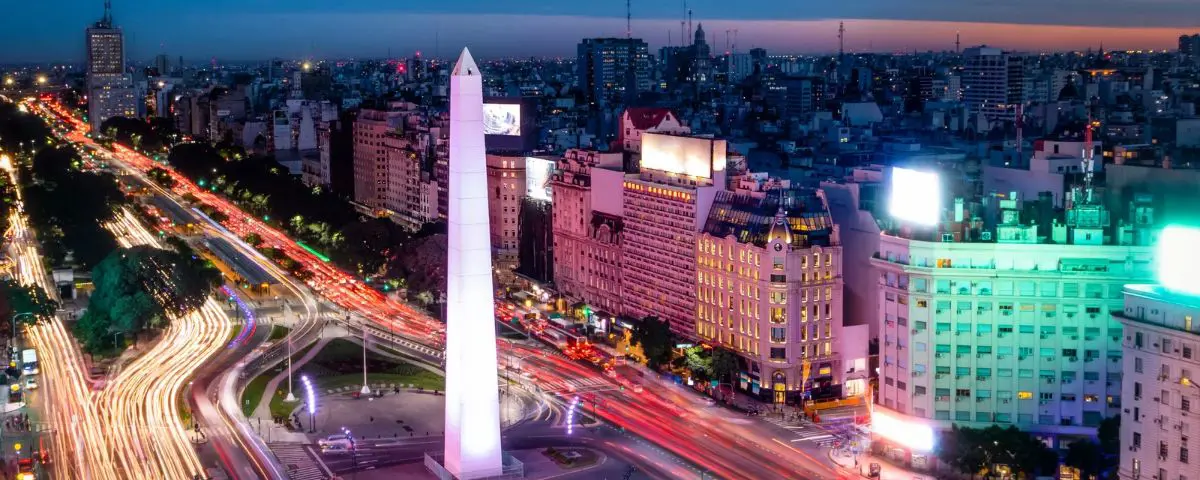
Do you have three days to explore Buenos Aires? Here are some great tips for getting around the Argentine capital, which combines historic buildings, charming neighborhoods, good food, art, and tango.
While it's not enough to see everything, you can discover many of its main attractions. Ideally, you should organize your itinerary by area and carefully choose which tours of Buenos Aires you want to take.
In this guide I suggest what to visit in Buenos Aires in 3 days, with a tour of must-see places, cultural experiences and some practical tips to make the most of your time.
What to see in Buenos Aires in 3 days: schedule summary
To make the most of your stay, it's best to organize your visits by area. You can combine walking with public transport or planned excursions. This way, you won't spend all your time traveling by bus or car unnecessarily.
This is the route I propose:
- Day 1: Historic center, Plaza de Mayo, Avenida de Mayo, Obelisk and Colón Theater.
- Day 2: San Telmo, La Boca and Puerto Madero.
- Day 3: Recoleta, Palermo and its cultural spaces and restaurants (yes, because something delicious is always welcome).
This way, you'll explore the city's history, its buildings, green spaces, and everyday life in Buenos Aires. Plus, you have options to choose from, because everyone has their own preferences: you can adapt the schedule to suit your interests, the weather, and the times of the activities you want to do.
Would you prefer to visit several neighborhoods in a single excursion?
The Buenos Aires Premium City Tour lets you discover the city's main attractions on an approximately five-hour tour. You'll visit areas like La Boca, San Telmo, Palermo, Recoleta, and Puerto Madero.
Day 1: Explore the historic center of Buenos Aires
The first day is ideal for getting to know some of the city's most emblematic places and discovering part of its history.
Plaza de Mayo, Casa Rosada and Cabildo
Start at Plaza de Mayo, one of Argentina's main historical and political landmarks. Surrounding it are:
- Casa Rosada: seat of the national government.
- The Cabildo: testimony of colonial history and the first steps of the nation.
- Metropolitan Cathedral: an imposing building with a neoclassical facade.
It's a great area for walking and observing different architectural styles in one place.
💡 Tip for architecture lovers: If you're interested in learning more about urban history, you can take a guided tour. This way you'll discover the details and styles of its buildings and monuments.
Avenida de Mayo and the Obelisk
From Plaza de Mayo, continue along Avenida de Mayo, known for its historic buildings and cafes. Then, head towards the Obelisk, one of Buenos Aires' most recognizable symbols, located at the intersection of Avenida 9 de Julio and Avenida Corrientes.
By the way, the whole walk takes about 23 minutes. And take advantage of the opportunity to take photos! The scale of the buildings is impressive.
Furthermore, if you have time and are hungry, you can continue along Corrientes Avenue, famous for its Buenos Aires pizzerias. One of them is Güerrín, where narrow passageways lead to a huge dining room that surprises with its size. A good option to take a break, eat something typical, and recharge your energy before continuing to explore the city.
Colón Theatre
End the tour with a visit to the Teatro Colón, famous for its design and excellent acoustics.
💡 Did you know? A three-ton chandelier floats in the center of the Teatro Colón's ceiling, hiding a secret: inside is a passageway. It could hold ten musicians who played from above, creating a heavenly sound.
You can admire it from the outside or book a guided tour to explore its interior with the Walking Tour and Teatro Colón experience.

Would you prefer to see several attractions on the same bus tour? The tourist bus tour with 23 stops distributed throughout the city allows you to explore different points of interest in Buenos Aires with a guide.
Day 2: I discovered San Telmo, La Boca and Puerto Madero
The second day combines historic streets, popular culture and one of the most modern areas of Buenos Aires.
San Telmo and its traditional atmosphere
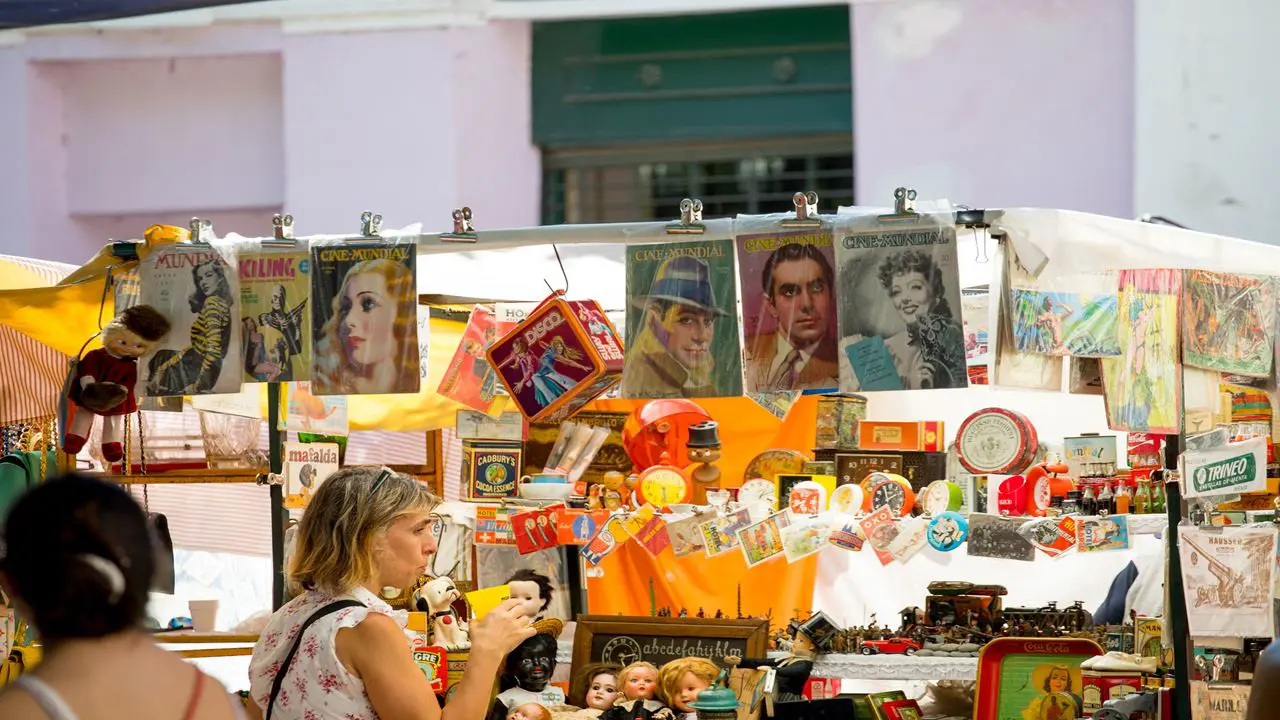
Start your day in San Telmo, one of the city's oldest neighborhoods. Its cobblestone streets, historic buildings, antique shops, and cafes create a unique atmosphere. You can visit the San Telmo Market, stroll through Plaza Dorrego, and explore the area's stalls and shops. If your trip coincides with a Sunday, the San Telmo street market is one of the neighborhood's most typical experiences.
I recommend taking a leisurely stroll through its various streets: some shops and stalls often offer you dulce de leche or a small piece of alfajor to try. It's a nice way to discover Argentine flavors as you explore the neighborhood. And if you'd like to learn more about gaucho traditions and regional cuisine, you can join the San Telmo and Mataderos Market Tour, a 5-hour excursion that combines local products, typical foods, folklore, and Buenos Aires culture. Keep the tour's duration in mind when planning the rest of your day.
La Boca and Caminito
Then, continue towards La Boca, a neighborhood where two very Argentine passions are alive: tango and football.
Caminito is its most famous promenade, with murals, works by artists, music, and brightly colored buildings. If you're traveling on very hot days, I recommend going early to explore the area more peacefully and avoid the hottest hours.
You can also explore the area around La Bombonera, the stadium of Club Atlético Boca Juniors. And if you want to experience this football passion to the fullest, you can join the football tour of the Monumental and Bombonera stadiums. On this approximately 5-hour tour, including transportation, you'll visit the museums and stadiums of Boca and River , as well as murals dedicated to the great legends of Argentine football.
Puerto Madero at sunset
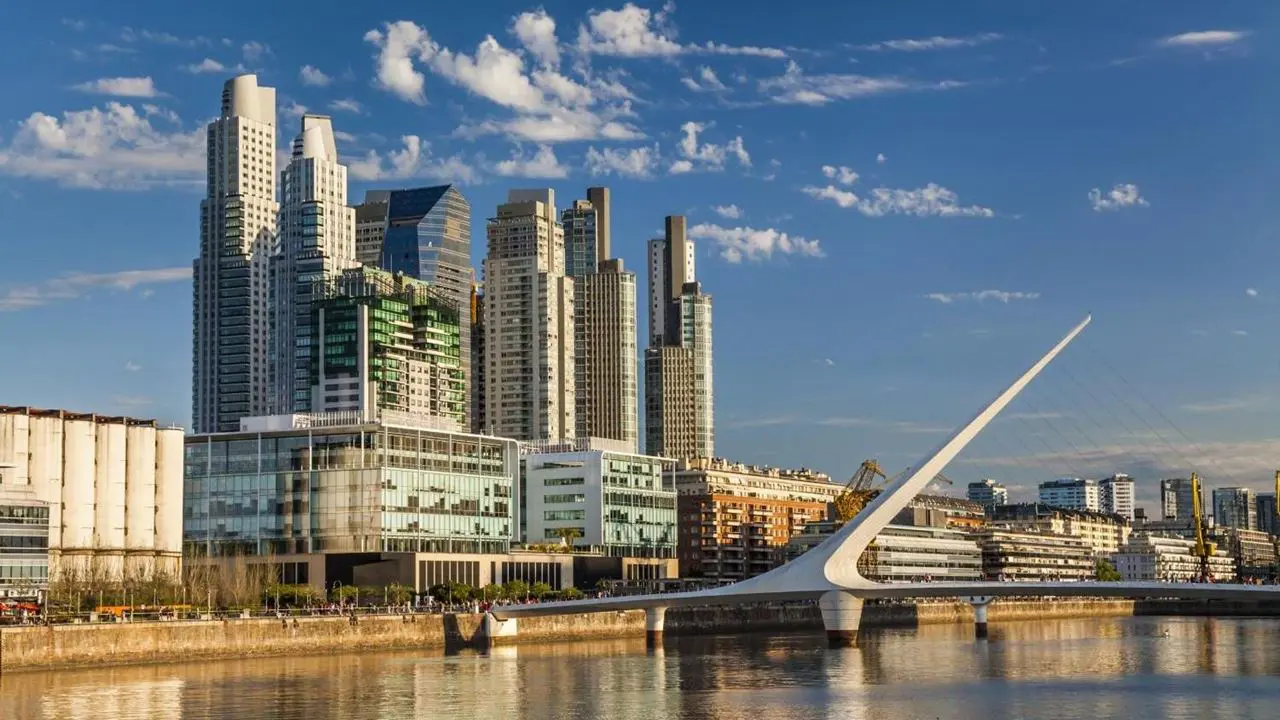
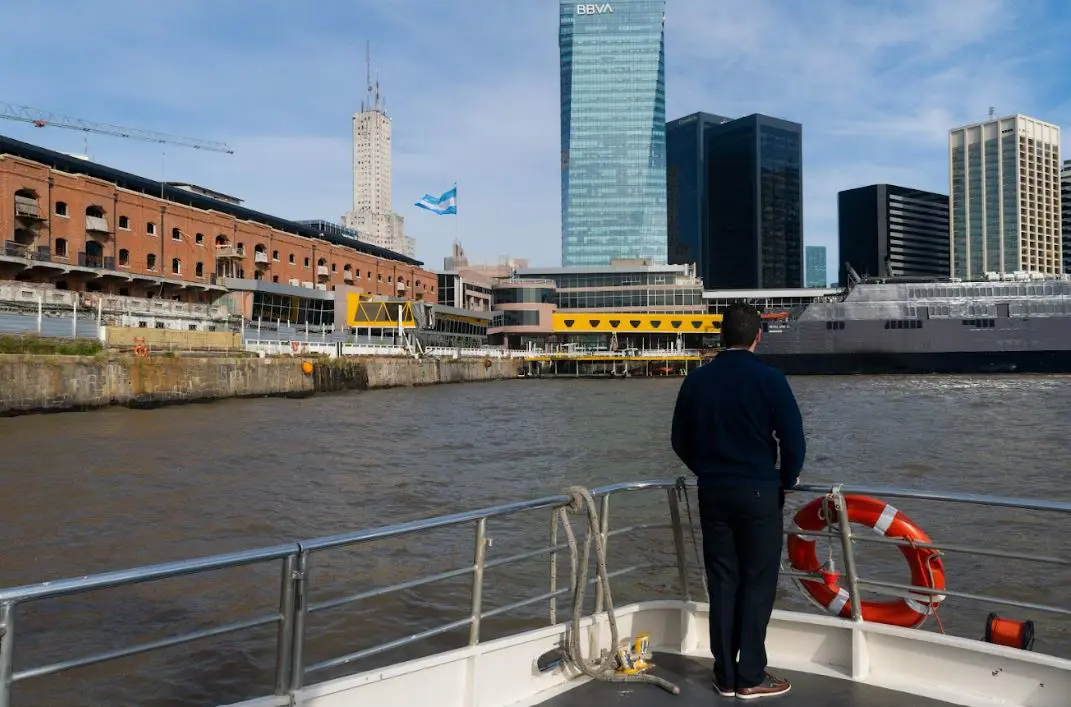
Finally, visit Puerto Madero, a revitalized riverside area distinguished by its old port warehouses, restaurants, and modern buildings. Stroll along the docks and head towards the Puente de la Mujer (Women's Bridge), one of the most popular spots for taking photos in Buenos Aires. At sunset, the promenade offers a different perspective of the city and is a great option for dinner.
If you'd like to add a cultural experience to your day, you can book a tango show in Buenos Aires. Some packages combine music and dance with dinner, so check what each one includes before booking.

Day 3: Explore Recoleta and Palermo
To wrap up your trip, your last day in Buenos Aires combines cultural attractions, outdoor excursions, museums, and local cuisine. This way, you'll be able to explore a different side of the Argentine capital.
Recoleta: history, art and elegance
Start with Recoleta. I recommend beginning at the Recoleta Cemetery (Junín 1760). It's famous for being one of the most beautiful cemeteries in the world. It houses the mausoleums of many influential people in Argentine history. It's notable for its marble sculptures, its imposing vaults, and Evita's tomb.
At the same time, you can visit the National Museum of Fine Arts (Av. del Libertador 1473) for free, which is the current home of works by Argentine and foreign artists.
Another option is to visit El Ateneo Grand Splendid (Av. Santa Fe 1860), a bookstore located in an old theater that retains much of its original structure and an endless number of books that you can't take your eyes off of.
Choose one or two visits depending on the time available, especially if you want to explore the museums at a leisurely pace.
Palermo: parks, gardens and various artistic expressions
In the afternoon, head to the Palermo neighborhood.
If you prefer green spaces, you can stroll through the Palermo Woods or visit the Rose Garden, known for its variety of roses, gardens, and pathways. The Japanese Garden is another excellent option.
And if you're someone who enjoys creativity, I recommend joining the Palermo Graffiti Walking Tour to discover the urban art of Buenos Aires and explore the most vibrant and colorful streets of the neighborhood.

To end your trip, a visit to Palermo Soho is a must. It offers a wide variety of bars—including hidden gems and themed spots like The Hole Bar or Boticario—restaurants, cafes, and design shops. Among its more unusual offerings, you can find everything from a shop dedicated to origami to independent designer clothing stores. It's a great area for strolling, discovering unique businesses, and ending the day with a drink.
And one more suggestion. If you're interested in Latin American art, you could also visit MALBA, the Museum of Latin American Art of Buenos Aires. It houses works by modern and contemporary Latin American artists.
As I mentioned before, the Walking Tour and Teatro Colón also gives you the option of choosing the MALBA, the Teatro Colón, or both. If you haven't done the walking tour yet, you can take advantage of this option to explore different parts of the city and include a museum visit in the same day.
Is it worth visiting Tigre if you only have three days?
Tigre is a good option if you want to explore the Paraná Delta. A boat trip to Tigre through the Delta allows you to navigate its canals and enjoy a natural environment quite different from that of the capital. However, since it takes several hours, you might want to consider whether you'd prefer to spend that time exploring the neighborhoods of Buenos Aires.
Plan your trip to Buenos Aires
Now that you know what to do in Buenos Aires in 3 days, all that's left is to choose the experiences that best suit your trip. You can explore the main attractions with a guided tour, discover the tradition of tango, or spend a few hours discovering the landscapes of the Delta.
Explore the excursions in Buenos Aires and choose how you want to discover the city.
By: Agustina Panzani, Content Creator for BestArgentina.com
Published by BestArgentina.tours on 17/11/2026